
How Can You Keep Your Brain Young Naturally?
Last Updated: October 26, 2026
Quick Summary
You can keep your brain young naturally by repeating small daily habits: about 150 minutes a week of moderate exercise plus two strength sessions, a heart-healthy diet, seven to nine hours of sleep, daily mental challenge, and treated hearing and vision. Start with two habits, one from the strongest-evidence tier, and add one per month.
Exercise target is about 150 minutes a week of moderate activity plus two strength sessions.
Most adults need seven to nine hours of sleep, with quality mattering as much as quantity.
Ten minutes of a real mental challenge daily beats an hour once a month.
Rank habits in three tiers and start with two, adding one per month.
Track behaviors like activity minutes and bedtime rather than a brain score.
Table of Contents
What Actually Keeps Your Brain Young
Exercise for Brain Health: Move Your Body, Sharpen Your Mind
The mechanism, briefly
What the evidence actually measures
How much, and what counts
Making it stick
Foods for Brain Health: What to Put on Your Plate
Sleep and Brain Health: Why Rest Is Non-Negotiable
Ways to Improve Memory Naturally Through Daily Stimulation
Hearing, Vision, and Stress: The Overlooked Pieces of Healthy Brain Aging
Your Personalized Habit Plan to Keep Your Brain Young
Step 1: Rank habits by evidence and by your own risk
Step 2: Build a two-habit starter routine
Step 3: Adapt the plan to your age and ability
Step 4: Track behaviors, not a "brain score"
Picking a Tactile Game That Fits Your Family
Frequently Asked Questions
What Actually Keeps Your Brain Young
Brain aging is not a switch that flips at a certain age. It is a slow, daily process shaped by what you do, eat, and how you rest.
The core idea is simple: a healthy brain is a used brain. This overview of the benefits of tactile educational toys explains why hands-on engagement supports brain health at every age.
Here is what most guides get wrong. They treat brain health like a checklist you finish. In practice, it is a set of small habits you repeat.
Exercise for Brain Health: Move Your Body, Sharpen Your Mind
Exercise is the single most reliable habit for brain health, and it is also the one most often described in vague terms. Here is what is actually happening, what the research measures, and how to make it stick.
The mechanism, briefly
Physical activity does several things at once. It increases blood flow to the brain, which delivers oxygen and nutrients. It supports the growth of new neural connections and, in animal studies, new neurons in the hippocampus, a region central to memory. It also lowers inflammation and improves insulin sensitivity, both of which matter for long-term brain health.
That last point is why exercise sits in the top tier of any brain-health plan.
What the evidence actually measures
Most large studies look at whether physically active people are less likely to develop cognitive decline or dementia over years or decades. The pattern is consistent: active people tend to do better.
A realistic expectation: you may notice better sleep, mood, and focus within weeks. Changes in long-term cognitive risk are measured over years, not days. That is normal, and it is why consistency matters more than intensity.
How much, and what counts
The general target is about 150 minutes a week of moderate activity, spread across most days, plus two sessions of strength work. Moderate means you can talk but not sing. You do not need a gym.
Brisk walking: 20-30 minutes, most days, the easiest habit to start
Swimming or water aerobics: easy on joints, good for blood flow
Cycling (outdoor or stationary): steady aerobic work
Making it stick
The trick is consistency, not intensity. A common mistake is going all-out for two weeks, then stopping. Pick something you will actually do on a Tuesday. Stack it onto an existing routine, a walk after lunch, a strength session before your morning coffee. If you have joint pain, heart concerns, or have been inactive for a while, check with your clinician before starting a new program.
Pro Tip If 150 minutes feels out of reach, start with 10 minutes a day. Ten-minute blocks count toward the weekly total, and the habit is what you are building first.
If you snore heavily, wake unrested, or feel unusually winded during light activity, mention it at your next medical visit. Those are treatable issues that affect every other habit on this list.
Foods for Brain Health: What to Put on Your Plate
Foods for brain health are less exotic than the supplement aisle suggests.
Huberman Lab Clips
The Dietary Guidelines for Americans point to the same pattern. What is good for your heart and blood vessels is good for your brain.
Fruits and vegetables: color on every plate
Legumes and beans: cheap, filling, fiber-rich
Fatty fish: salmon, sardines, a couple times a week
Watch out: heavily processed food and sugary drinks work against everything else on this list. You do not have to be perfect. You have to be consistent.
Sleep and Brain Health: Why Rest Is Non-Negotiable
Sleep and brain health are tightly linked. During deep sleep, your brain clears waste and consolidates memory. Skip it, and thinking skills dull fast.
Most adults need seven to nine hours. The quality matters as much as the quantity. A dark, cool room and a steady bedtime help more than any gadget.
Keep a consistent sleep and wake time
Cut screens an hour before bed
Avoid caffeine late in the day
If you snore heavily or wake unrested, talk to a doctor. Poor sleep is common and treatable, and fixing it pays off across every other habit here.
Ways to Improve Memory Naturally Through Daily Stimulation
Ways to improve memory naturally start with mental stimulation: giving your brain new things to figure out.

Try reading, puzzles, learning a language, or learning a musical instrument. Novelty matters. Doing the same crossword every day helps less than trying something unfamiliar.
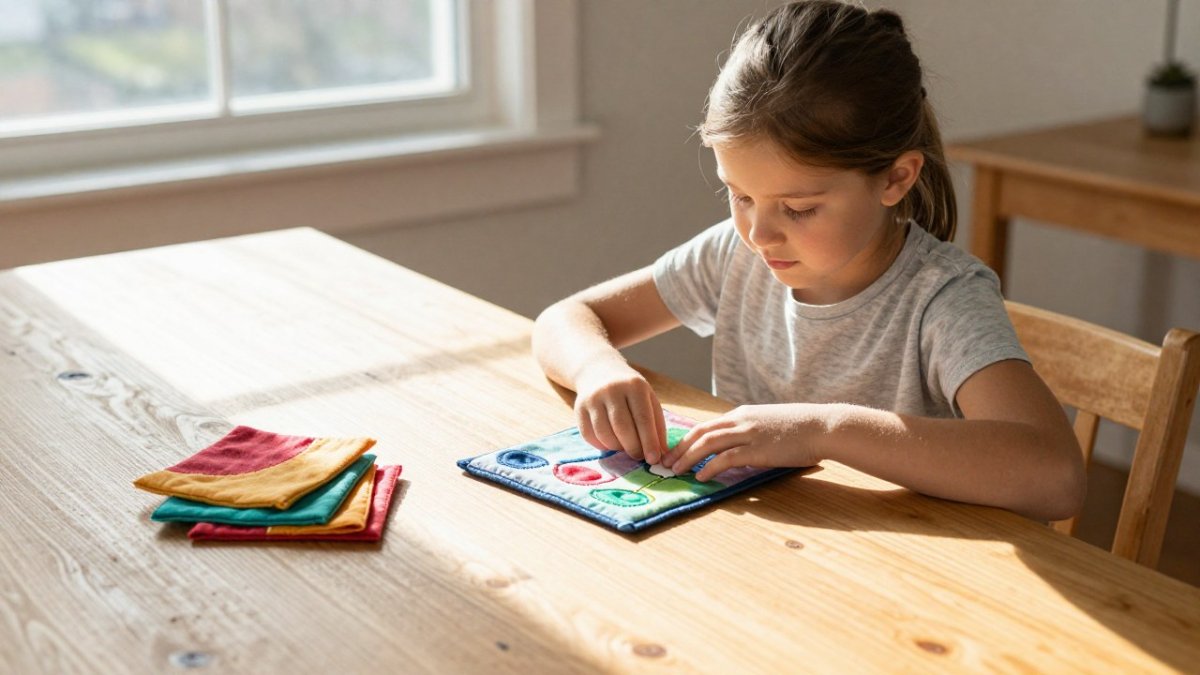
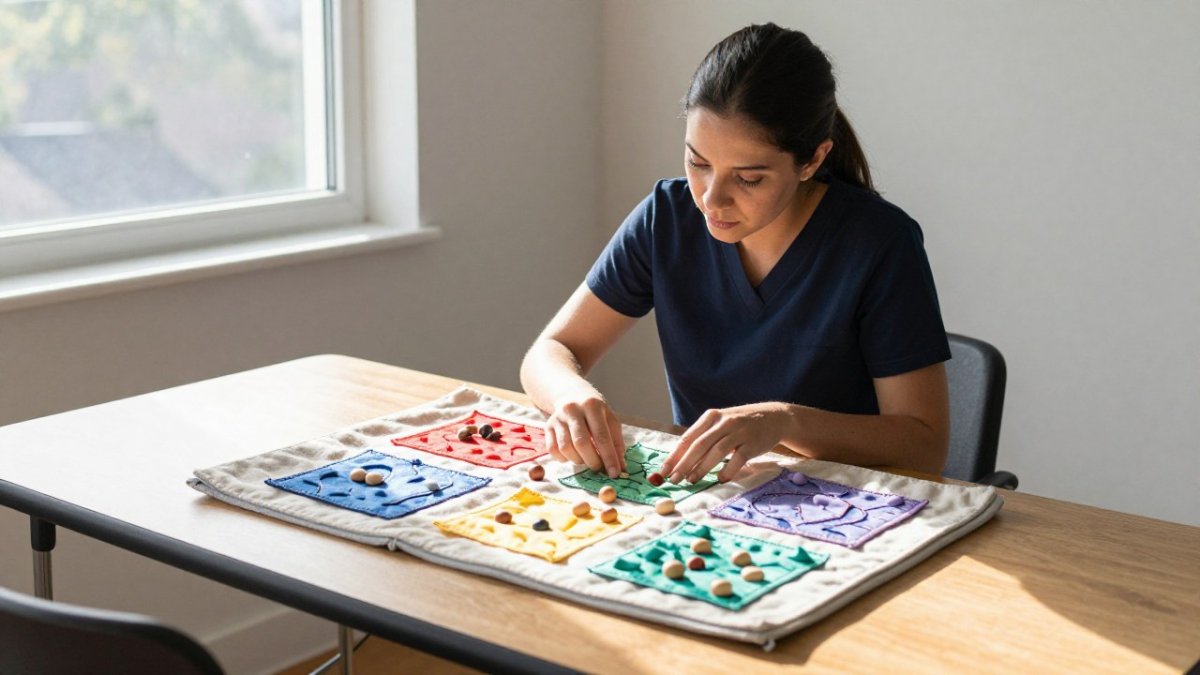
Tactile play is one of the most underrated options. For a hands-on approach, see this practical guide to tactile games for memory recall. For families, these intergenerational play activities keep brains engaged socially, not just mentally.
The key is daily, not occasional. Ten minutes of a real challenge beats an hour once a month.
Hearing, Vision, and Stress: The Overlooked Pieces of Healthy Brain Aging
Two senses and one feeling get ignored in most brain guides, and they matter more than people think.
Hearing and vision. When you cannot hear or see well, your brain works harder to fill the gaps.
Stress. Long-term stress floods the body with hormones that wear on memory and reasoning.
The CDC guidance on brain health groups these everyday factors, from blood pressure to smoking cessation, into a practical prevention picture.
Your Personalized Habit Plan to Keep Your Brain Young
Most guides hand you a list and stop. The harder question is which habits to start first, how to stack them, and how to tell whether they are working. This section turns the recommendations above into a plan you can actually run, and it is the part most brain-health articles skip.
Step 1: Rank habits by evidence and by your own risk
Not every habit carries the same weight. A practical way to prioritize is to sort them into three tiers based on how strong the evidence is and how much they address your personal risk factors.
Tier 1, strongest evidence, biggest leverage: regular physical activity, blood pressure control, blood sugar management, sleep quality, and not smoking. These are the habits that show up repeatedly in large public-health reviews and in guidance from organizations like the CDC and the National Institute on Aging. If you only do two things, pick from this tier.
Tier 2, good evidence, meaningful but smaller effect: brain-healthy eating patterns, social connection, mental stimulation, and treating hearing loss. These matter, but they tend to work best when Tier 1 is already in place.
Tier 3, supportive, lower certainty: stress-management routines, supplements, and most consumer brain-training products. Useful for well-being, but not a substitute for Tier 1.
A common pattern practitioners see: people start with a puzzle app or a supplement because it feels like "brain training," then never get around to the blood pressure check. Flip that order.
Step 2: Build a two-habit starter routine
Pick one Tier 1 habit and one Tier 2 habit. Two is enough for the first month. Adding more than that is the most common reason plans collapse.
Week | Focus | Quick version |
1 | Tier 1 habit | 20-minute brisk walk, most days |
2 | Add Tier 2 habit | One real conversation or 10 minutes of a new challenge |
3 | Protect sleep | Same bedtime, dark room, no late caffeine |
4 | Add a check | Home blood pressure reading, or a hearing/vision screening appointment |
Step 3: Adapt the plan to your age and ability
A plan that ignores your starting point will not survive. Adjust the same habits to fit:
If you are new to exercise or have joint issues: swap brisk walking for swimming, water aerobics, or a stationary bike. The goal is 150 minutes a week of moderate activity, broken into 10-minute blocks if that is what your body tolerates.
If you are caring for an older adult: prioritize hearing and vision checks, medication review, and fall prevention alongside the habits above. Sensory and safety issues often crowd out brain-health habits in this group.
If you are in midlife: blood pressure and blood sugar are the levers with the longest runway. A check at every routine physical is worth more than any supplement.
Step 4: Track behaviors, not a "brain score"
No consumer quiz or app score can diagnose brain health. What you can track are the behaviors themselves, and those numbers are meaningful:
Activity: minutes per week, logged on a calendar or phone
Sleep: bedtime and wake time, plus a rough rested rating
Blood pressure: home readings if your clinician recommends them
Social contact: one meaningful conversation per week, noted
A fridge note or a simple spreadsheet is enough. The point is to see whether the habit is happening, not to grade your brain.
Key Takeaway Start with two habits, both from the strongest-evidence tier when possible. Add one per month. Track the behavior, not a score. Reassess with your clinician at your next routine visit.
If you want more ideas to build the routine, browse our blog for related guides.
Picking a Tactile Game That Fits Your Family
A tactile game is a hands-on activity that builds memory, coordination, and finger dexterity through touch.
When you are choosing one, look for:
Ages it serves: can a child and a grandparent both use it?
Materials: soft, durable fabric beats flimsy plastic
Safety: check for real safety certification
Skill it builds: memory, dexterity, or both?
This is exactly where Witzkan fits.
Consumer Product Safety Commission guidance on children's products is a good place to understand what safety certification means before you buy.
Ready to see the options? Browse our full product catalog to find a game that fits your family.
Frequently Asked Questions
What slows down brain aging the most?
A mix of inactivity, poor sleep, and isolation does the most damage. Research points to regular exercise, quality sleep, and strong social ties as the biggest levers. Managing blood pressure and blood sugar also matters because both affect oxygen-rich blood flow to the brain. Smoking and heavy drinking speed cognitive decline, so quitting is one of the highest-value steps. You do not need to fix everything at once; start with movement and sleep, then build from there.
Can exercise really help keep your brain young?
Yes. Exercise for brain health works by improving blood flow and supporting the growth of new neural connections. Federal guidelines recommend about 150 minutes a week of moderate activity, such as brisk walking, swimming, or yoga. That is roughly 30 minutes on five days. Strength training twice a week adds another layer. The key is consistency over intensity: a daily walk you actually do beats an ambitious plan you abandon after two weeks.
Which foods for brain health should I eat most often?
Build meals around vegetables, fruits, legumes, whole grains, nuts, and fish. Leafy greens and berries are well studied, and fatty fish provides omega-3s that support memory and thinking skills. Limit processed foods, sugary drinks, and excess salt, since they raise blood pressure and blood sugar. The pattern matters more than any single food. A simple rule: fill half your plate with plants and drink water instead of sweetened beverages.
Does social play help older adults stay sharp?
Social connection is one of the strongest protective factors for cognitive health. Games that combine conversation with touch, color, and shape recognition give you mental stimulation and social interaction at once. That is why tactile games designed for ages three to 103 work for both a seven-year-old and an 82-year-old at the same table. Shared play also reduces isolation, which is linked to faster cognitive decline.
The habits that keep your brain young are not complicated, but they are easy to skip. The hard part is making them stick. At Witzkan, we build handcrafted, multi-sensory games that make daily brain engagement something families actually look forward to, with soft American flannel, inclusive design for ages three to 103, and US child safety certification. Get started with Witzkan and turn a few minutes of play into a lasting habit for a sharper, calmer mind.
Explore Our Designs
Add witzkan.com as a preferred source on Google →

Comments